


On July 27, 2026, the U.S. Department of Commerce announced the first expedited sunset review of the antidumping duty order on hot-rolled steel products from China. The review covers duty rates set in 2021 at 102.4% to 185.3% and matters because its outcome will shape market access and compliance costs for Chinese shipments to the United States over the next 12 to 24 months. For distributors, importers, and downstream buyers, this is a development that puts sourcing routes, supplier qualification, and replacement supply options back under active review.
What Has Been Officially Announced
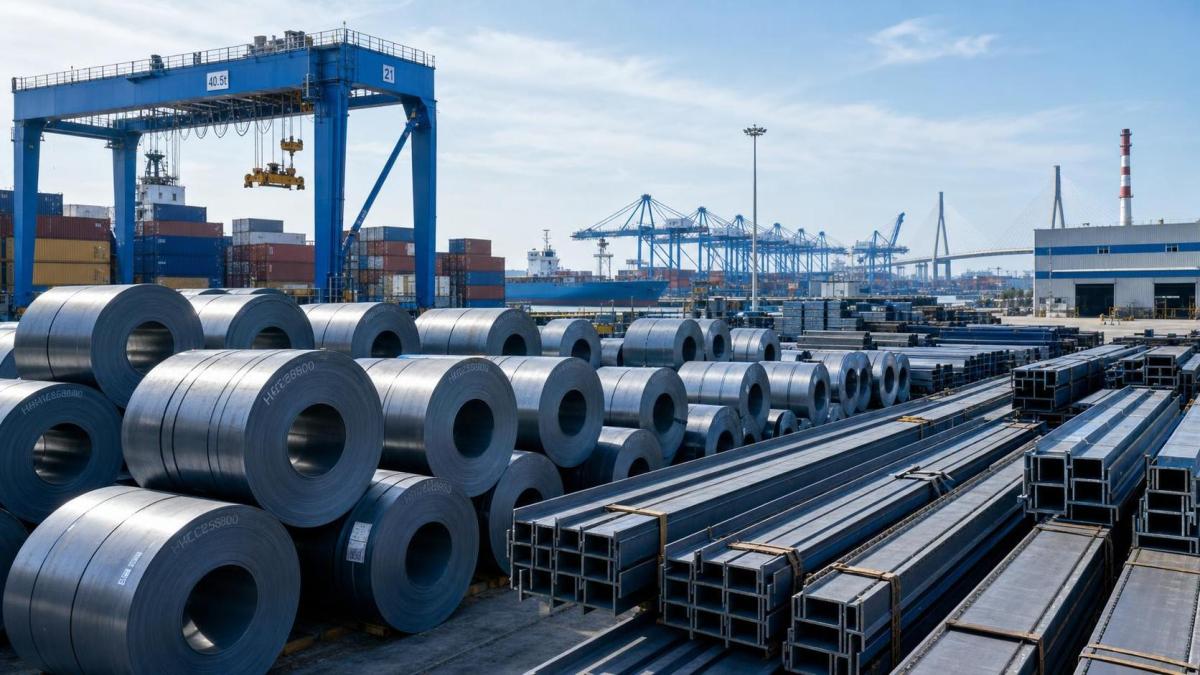
The confirmed fact is that the U.S. Department of Commerce formally initiated, on July 27, 2026, the first expedited sunset review of the existing antidumping duty order covering hot-rolled steel products originating in China. The review concerns the duty levels established in 2021, which currently range from 102.4% to 185.3%. The purpose of this review is to determine whether those antidumping measures should remain in place.
The announced review has direct relevance to future export access for Chinese hot-rolled steel into the U.S. market, as well as to the compliance burden attached to those transactions during the coming 12 to 24 months.
Where the Pressure May Appear Along the Supply Chain
Import planning is likely to tighten first
From an industry perspective, importers and direct trading companies may feel the impact earliest because the review affects whether current duty exposure remains part of the landed-cost structure. The most immediate business issue is not only price, but also whether current sourcing assumptions remain workable under continued high-duty conditions. What deserves closer attention is how procurement teams reassess shipment planning, supplier continuity, and documentation discipline during the review period.
Distributors may need to revisit supplier screening
For overseas distributors, the review creates a practical need to revalidate supplier status and transaction readiness. The issue is not simply whether a supplier can ship, but whether the supplier can support the compliance requirements and commercial timing that buyers now need. Analysis shows that qualification checks, supporting trade documents, and contingency sourcing conversations become more relevant when a trade measure is being reconsidered.
Downstream buyers face sourcing and timing questions
End users and industrial buyers that rely on hot-rolled steel may not be the direct target of the review, but they can still be affected through procurement lead times, supply route adjustments, and vendor changes. Observably, the opening of a review can prompt buyers to compare existing Chinese-origin supply with possible alternatives, especially where continuity of delivery and contract execution matter more than short-term spot decisions.
Supply chain service providers may see added coordination demands
Service providers involved in cross-border execution, including those supporting documentation and delivery coordination, may need to pay closer attention to customer timelines and qualification requirements. The main area of impact is operational coordination: making sure trade paperwork, supplier information, and delivery expectations align with a period of policy review rather than a settled trade environment.
What Companies Should Watch Now
Follow the official language, not only the headline
Companies dealing with affected products should pay close attention to how the review is described in subsequent official communications. Analysis shows that the practical business impact will depend on the final direction of the review, not merely on the fact that it has started.
Recheck product exposure and current supplier readiness
Importers, distributors, and buyers should review whether ongoing or planned business is tied to the affected hot-rolled steel category and whether existing suppliers remain commercially and operationally suitable under the current duty framework. This is especially relevant where purchasing plans were built around assumptions that may no longer hold over the next 12 to 24 months.
Separate policy signals from execution risk
What deserves closer attention is the difference between a review as a policy process and the day-to-day execution risk inside supply contracts. Even before any final outcome, companies may need to prepare for supplier substitution, lead-time changes, and customer communication on delivery expectations and sourcing flexibility.
Prepare documentation and communication pathways early
Where business is already exposed to the U.S. market, it is more appropriate to treat this period as one requiring tighter internal coordination. Supplier credentials, transaction records, delivery planning, and customer updates may all need to be reviewed so that sourcing decisions are supported by current information rather than past assumptions.
Why This Matters Beyond the Immediate Notice
Analysis shows that this development is best understood as an active trade-policy signal rather than a final market outcome. The review does not itself resolve the future of the antidumping measure, but it does reopen an important decision point for access to the U.S. market. That is why the development matters not only to exporters, but also to companies further down the chain that depend on predictable sourcing and compliance visibility.
Observably, the announcement is significant because it creates a defined window in which market participants may revisit supply options and commercial exposure. It is not yet a confirmed shift in trading conditions, but it is also not a routine update that can be ignored by businesses with direct procurement or sales links to the affected product flow.
How This Development Is Best Understood
At this stage, it is more appropriate to understand the review as a monitored industry development with near-term operational implications and possible longer-term trade significance. The confirmed fact is the initiation of the expedited sunset review and the scope of the existing duty rates. The broader commercial meaning will depend on whether the current antidumping measures are maintained.
For now, the practical takeaway is measured rather than dramatic: companies linked to U.S.-China hot-rolled steel trade should use this period to reassess sourcing assumptions, supplier readiness, and compliance exposure, while continuing to watch for official follow-up.
Basis of This Article and Ongoing Verification
This article is based on the user-provided news title, event date, and event summary regarding the U.S. Department of Commerce's July 27, 2026 initiation of an expedited sunset review of antidumping duties on Chinese hot-rolled steel. No specific official source link was provided in the input, so the exact official publication link remains to be further verified.
For this type of development, commonly relevant source categories include official government notices, company disclosures, industry association updates, authoritative media reporting, and trade-related regulatory documents. The key areas for continued observation are the wording of subsequent official statements, whether the current duty order is maintained, and how the decision may affect export access and compliance costs over the next 12 to 24 months.