


On July 1, 2026, the U.S. Department of Commerce formally opened an anti-dumping administrative review covering hot-rolled steel coil from China under HS 7225/7226 for export batches shipped from April 1, 2025 to March 31, 2026. The development matters beyond a routine trade case because it may reset company-specific duty rates and could also introduce a carbon-emissions cost adjustment factor, linking trade remedy review with ESG-related compliance considerations. For importers, distributors, exporters, and procurement teams, the immediate issue is not only price exposure but also how customs cost, contract terms, inventory timing, and Q3 delivery planning may need to be reassessed.
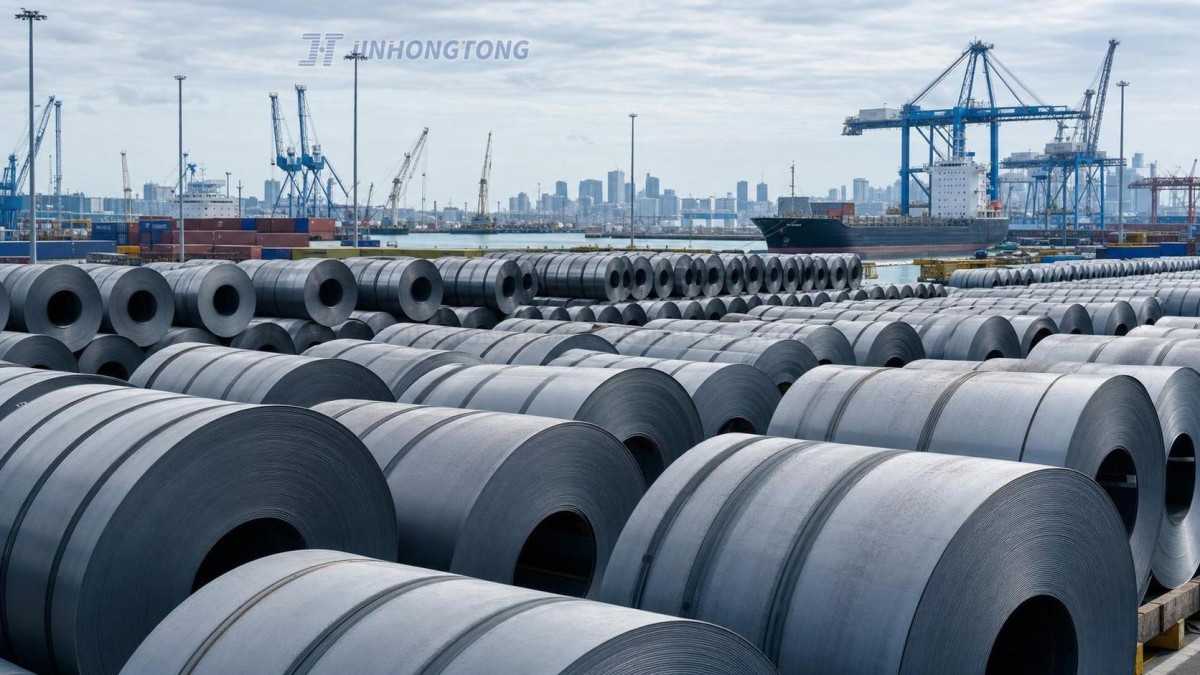
What Has Been Formally Put in Motion
Confirmed facts are limited but material. The review was announced by the U.S. Department of Commerce on July 1, 2026 and applies to hot-rolled steel coil originating in China under HS 7225/7226. The administrative review covers export batches from April 1, 2025 through March 31, 2026. According to the provided event summary, the review will reassess separate duty rates for certain companies and may introduce a carbon-emissions cost adjustment factor. The summary also describes this as the first known practice of embedding an ESG compliance parameter into an anti-dumping framework for steel. The stated direct effects relate to customs clearance cost for U.S. importers, inventory strategy for distributors, and pricing mechanisms in procurement contracts.
Where the Pressure Is Likely to Appear First
Import-side cost control moves closer to customs and contracting
From an industry perspective, U.S.-side importing businesses are among the first to feel the effect because anti-dumping review outcomes can alter the cost basis used for landed pricing and customs planning. What deserves closer attention is whether procurement teams and customs-facing functions are working from assumptions that may no longer hold if company-specific rates are recalculated. In practical terms, businesses may need to watch shipping documentation, product classification consistency under HS 7225/7226, and the pricing language used in contracts tied to duty exposure.
Distributors may have to rebalance inventory timing
Distributors are exposed because the event summary directly points to inventory strategy. Analysis shows that when duty treatment is under review, stockholding decisions can become less straightforward: carrying inventory too aggressively may lock in cost assumptions too early, while delaying procurement can affect supply continuity. The relevant operational focus is therefore not only on price, but also on delivery windows, replenishment timing, and the margin assumptions attached to material already in the pipeline.
Chinese exporters face a broader compliance reading of trade risk
For exporters shipping the covered product, the issue is not simply whether the review proceeds, but how the review may change the compliance information expected around pricing and, potentially, carbon-related cost treatment. Observably, the mention of a possible carbon-emissions adjustment factor expands the discussion from conventional anti-dumping exposure into a combined trade-and-ESG compliance question. Exporters should therefore pay attention to whether existing shipment files, supporting records, and internal compliance materials are sufficient for a review environment that may scrutinize more than traditional pricing elements.
Procurement and supply-chain service providers may need to revisit delivery assumptions
Supply-chain coordinators, contract managers, and procurement intermediaries may also be affected because the summary links the review to Q3 order delivery risk. That does not confirm a disruption outcome, but it does indicate that delivery planning and commercial terms may need closer review. The practical pressure points are likely to include order confirmation language, duty-sharing clauses, delivery commitments, and the handling of cost changes that emerge after cargo is booked or while goods are moving through clearance.
Practical Signals Companies Should Track Now
Watch for official wording on how the review will be applied
Analysis shows that the most immediate task is to monitor how the review is described in subsequent official language. The current information confirms that the review has started, but it does not provide the full execution detail. Companies should therefore follow later statements for any clearer indication of scope interpretation, company-specific treatment, or the way a potential carbon-emissions factor would be expressed in practice.
Recheck trade files linked to covered shipments
What deserves closer attention is the quality and consistency of records tied to the covered period from April 1, 2025 to March 31, 2026. Businesses involved in these shipments should review whether internal records, customs-facing documents, product coding, and transaction support materials are aligned. This is especially relevant where commercial pricing and clearance cost assumptions were built before the review was opened.
Review procurement clauses that assume stable landed cost
For purchasing teams and contract managers, the event creates a reason to revisit clauses related to duty allocation, price adjustment, and delivery responsibility. The available facts do not confirm a final duty outcome, so this should not be treated as a settled cost change. Even so, contracts that leave no room for revised customs cost or compliance-related adjustments may create avoidable friction if the review materially affects the economics of supply.
Prepare for closer questions around ESG-linked trade compliance
Observably, the possible introduction of a carbon-emissions cost adjustment factor is the most novel feature in the summary. Since no detailed execution method is provided in the input, companies should not assume a final rule architecture. It is more appropriate to focus on readiness: whether internal teams can trace product-related emissions information if requested, how such information would be documented, and whether customers or counterparties begin to reflect this issue in tender files, supplier qualification language, or compliance questionnaires.
Why This Looks Like More Than a Routine Procedural Step
Analysis shows that this development should be read on two levels. First, it is a concrete trade enforcement event because an administrative review has formally been launched for a defined product scope and review period. Second, it is also a policy signal because the possible use of a carbon-emissions cost adjustment factor suggests that future trade remedy practice may interact more directly with ESG-related compliance metrics. At this stage, it is more appropriate to understand the event as a live execution signal rather than a completed rule outcome. The review is real and commercially relevant now, while the exact weight and application of the ESG-related element still requires continued observation.
How the Market Is Likely to Read This for Now
The most balanced reading is that the market is facing a confirmed procedural development with potentially wider compliance implications, but not yet a fully defined end result. The significance lies in the combination of anti-dumping review mechanics, possible re-setting of separate rates, and the introduction of an ESG-related variable into a steel trade case. For businesses tied to U.S.-bound hot-rolled coil flows, the key takeaway is to treat this as an active commercial and compliance variable that may affect Q3 planning, rather than as a settled policy outcome with known final costs.
Basis of This Article and What Still Needs Verification
This article is based on the user-provided news title, event date, and event summary. For developments of this kind, market participants would typically monitor source types such as official government notices, regulatory authority releases, customs or trade administration information, industry association updates, standard-setting documents, and reporting by authoritative trade media. A specific official source link was not provided in the input, so the exact primary publication path still needs to be verified. Continued follow-up should focus on later official wording, implementation detail, possible compliance interpretation for any ESG-related factor, procurement document changes, tender language, market feedback, and how affected companies actually adjust execution and delivery arrangements.