

On August 13, 2026, Nucor lifted its hot-rolled coil (HRC) mill prices for a third straight week, bringing the cumulative increase to more than $80 per short ton. The move is worth watching for U.S. buyers, importers, and Chinese steel exporters, because it may affect import pricing comparisons, order pacing, and negotiation strength on FOB offers linked to HRC-based products.
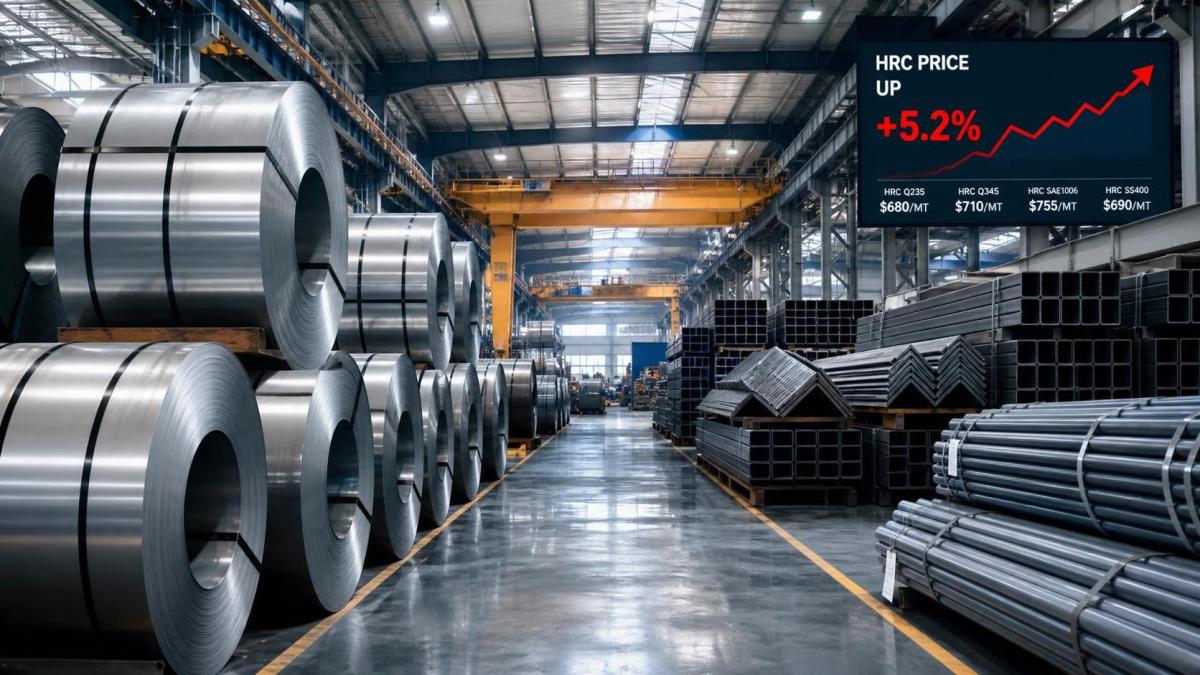
Nucor’s latest HRC move points to firmer domestic pricing
The confirmed facts are straightforward: Nucor, the largest steel producer in the United States, raised its HRC ex-works price for the third consecutive week on August 13, 2026. The cumulative increase has exceeded $80 per short ton. The stated context behind the move is improved North American end-market demand and higher scrap costs.
Another important point in the event itself is the likely pricing comparison effect. As domestic prices move higher, U.S. buyers may reassess whether imported material remains cost-competitive, especially where purchase decisions are highly sensitive to landed cost.
Where the pressure may show up across the trade chain
Importers may become more selective on order timing
For U.S. importers, the immediate effect is not only price comparison but also ordering rhythm. When domestic HRC prices rise in steps, buyers often recheck whether they should commit now or wait for more clarity. That can change the pace of new orders and shorten or extend the window for negotiations.
Chinese exporters may face tougher FOB discussions
For Chinese steel exporters, the more relevant issue is how this affects buyer behavior on FOB quotes. If U.S. importers see domestic pricing moving up, they may still push hard on FOB levels to preserve margin, but they may also become more willing to compare alternatives on a tighter schedule. That can affect quotation validity, bid frequency, and the strength of price resistance.
HRC-linked products deserve closer attention
The impact is likely to be more visible in products tied to HRC as a base material, including sections, pipes, and further-processed steel products. In these categories, the buyer is often comparing a finished or semi-finished offer against domestic substitution options, so changes in U.S. HRC pricing can influence both order intent and the structure of payment discussions.
What exporters should watch next
Track whether pricing comments turn into repeated adjustments
What deserves closer attention is not the one-week price move alone, but whether similar upward adjustments continue. If domestic pricing keeps rising, it becomes a stronger signal for import substitution review. If the adjustment pauses, the market may be testing levels rather than moving into a new price range.
Focus on payment terms and delivery windows
For exporters, the practical work is to watch whether payment cycles lengthen, whether buyers ask for firmer delivery commitments, and whether quotation requests become more cautious. These changes can appear before any clear shift in volume, so they are useful early indicators.
Keep the product scope narrow and specific
It is more appropriate to treat this as a product-specific and timing-sensitive issue, not a broad conclusion about all steel exports. The most relevant exposure is concentrated in HRC-based product lines and in transactions where U.S. importers are actively comparing domestic and imported pricing.
What this signal means for the market now
Observably, this is a short-term market signal that deserves continued monitoring rather than a fixed conclusion. It shows domestic U.S. pricing is moving up and that the import comparison for certain steel products may be shifting, but the business impact will still depend on how buyers respond in the next round of orders.
From an industry perspective, the main takeaway is that exporters and traders should watch price dispersion, order cadence, and buyer payment behavior together. That is the part most likely to influence real transaction conditions in the near term.
How to read this report
This article is based on the user-provided headline, event date, and event summary. It is written from those inputs alone. No specific official source link was provided in the input, so the underlying announcement and related market information still need to be verified against official company disclosures, industry association updates, and authoritative media reports. Follow-up monitoring should focus on whether Nucor continues to adjust HRC pricing and whether U.S. importers change order pace, payment terms, or FOB bargaining behavior.