

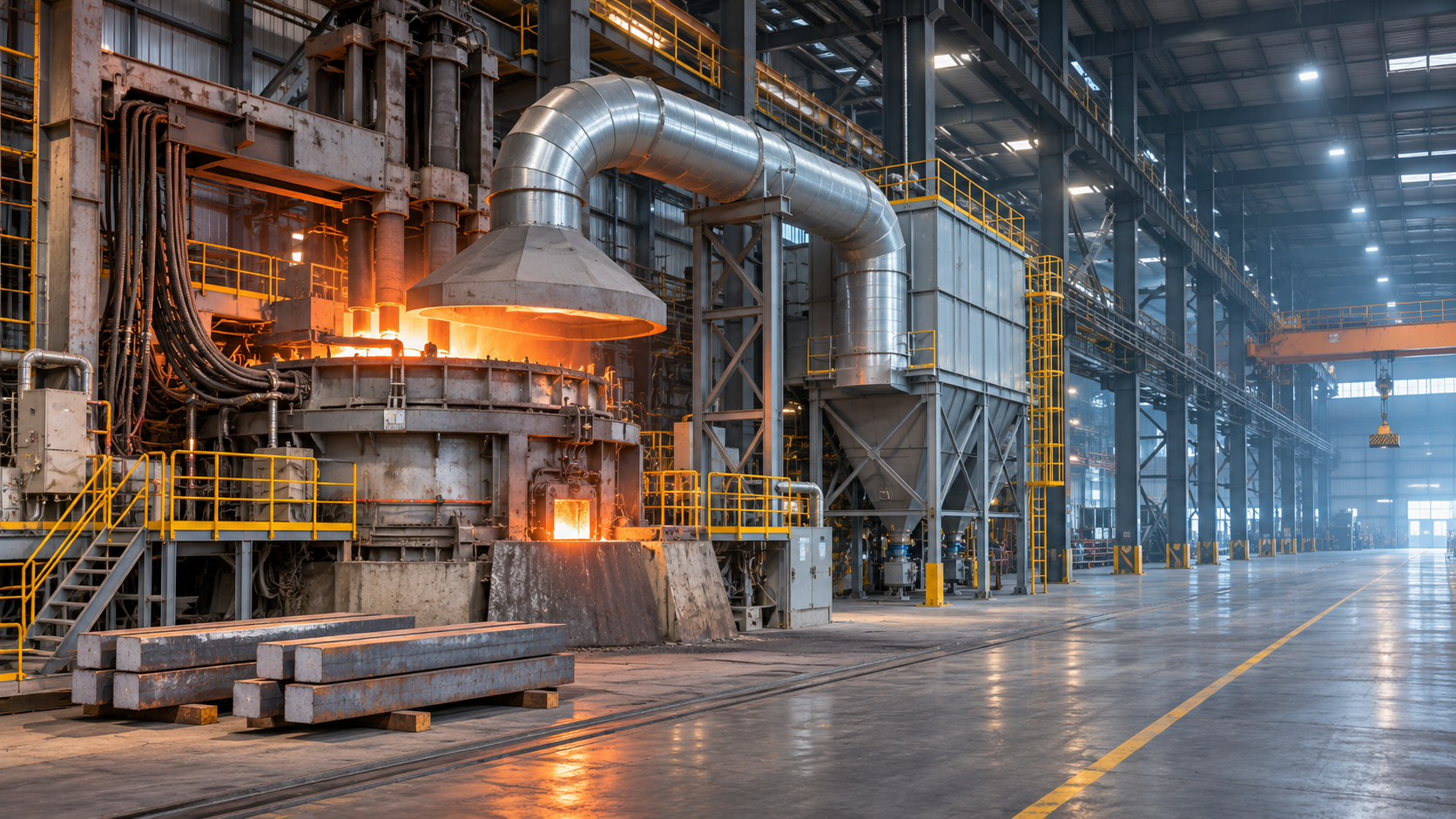
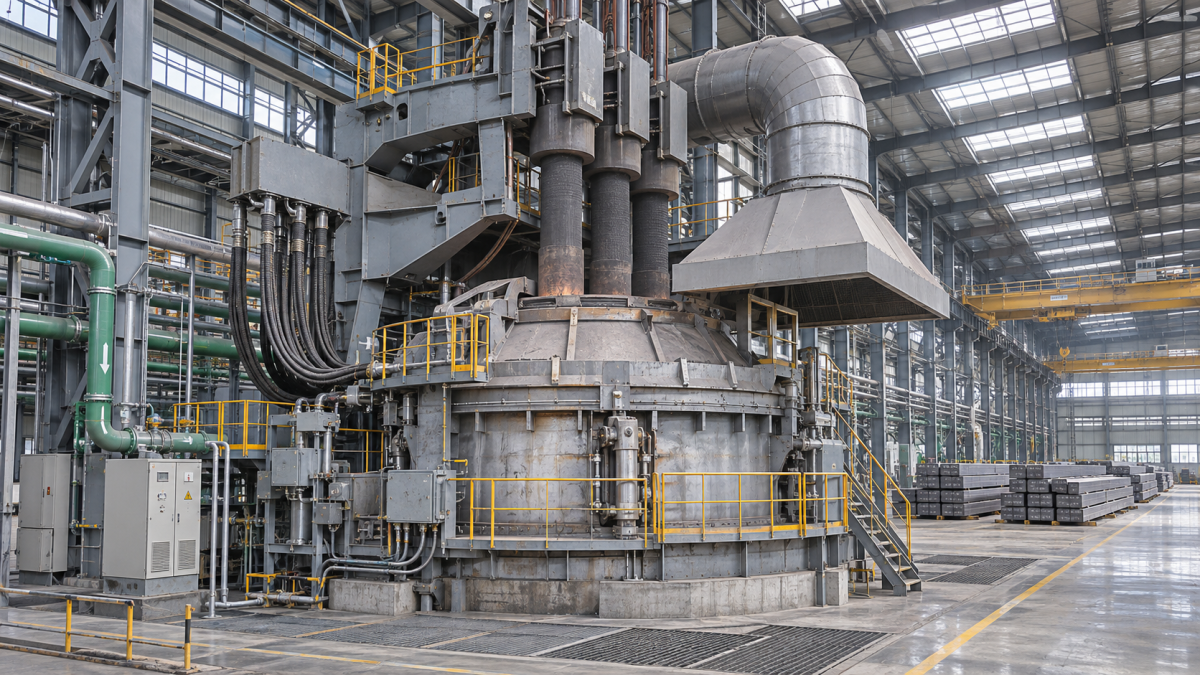
Average capacity utilization at the 94 independent electric arc furnace (EAF) steel mills surveyed by Mysteel fell to 60.1% in the week of November 26, 2026, down 0.29 percentage points from the previous week. The average operating rate slipped 0.21 percentage points to 69.57%.
Profitability figures point to pressure on producers: 32.8% of surveyed companies reported marginal profits, while 55.2% broke even. Together with the lower operating indicators, the figures show a production segment in which many companies have little or no reported profit cushion.
What the operating figures show
The declines in capacity utilization and the operating rate were small, but they describe different aspects of mill activity. Capacity utilization indicates how much of available production capacity is being used; the operating rate describes the proportion of mills in operation. A lower operating rate can accompany a reduction in activity across mills, while lower utilization shows that less capacity is being used overall.
The survey does not establish how much of the utilization decline came from mills stopping production or from operating mills adjusting their output. Nor does a one-week change establish a sustained production trend. Further readings would help show whether the movement was temporary or part of a broader adjustment.
Profitability sets the context
The distinction between marginal profits and breaking even matters when interpreting the operating data. A mill reporting a small profit still has a positive margin, whereas a break-even producer has no reported profit cushion. Together, those categories account for 88% of the companies covered by the profitability figures. The survey does not describe the profitability of the remaining companies, so their financial position should not be inferred.
Thin margins can make production decisions more sensitive to changes in costs and selling conditions. If pressure persists, mills may reassess operating levels, with any effect on steel supply depending on the scale and duration of those decisions. The survey itself does not identify the cause of the margin pressure or establish a change in steel prices.
For businesses connected to these mills, subsequent utilization and operating-rate readings may be useful indicators of whether the immediate movement is continuing. Profitability will also matter: a further decline in operating activity alongside continued break-even or marginal-profit conditions would be a different signal from a short-lived dip followed by steadier rates. The present figures provide a weekly snapshot, with the longer-term effect on supply still dependent on how producers respond.