

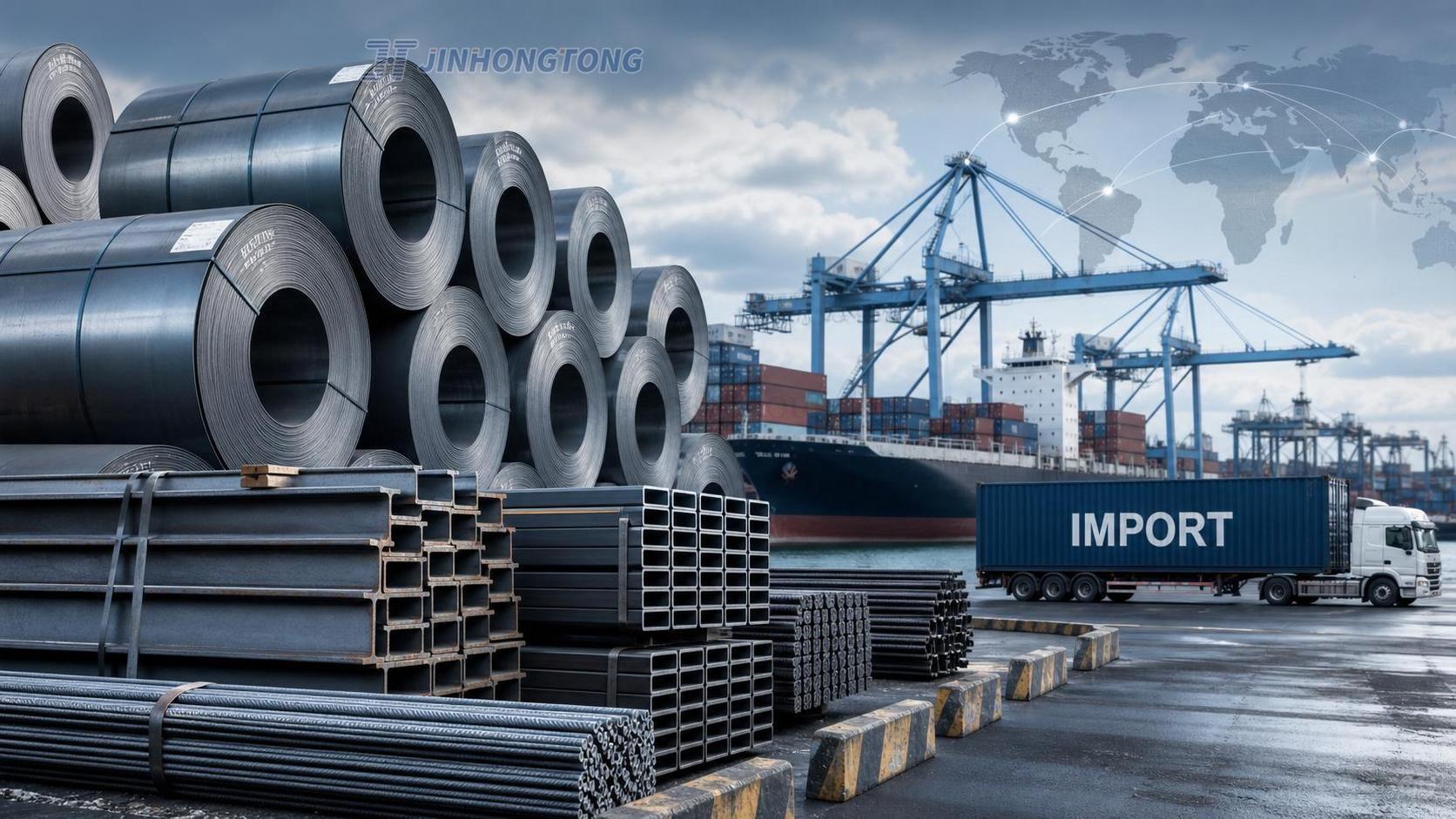
On June 1, 2026, Japan opened a one-year anti-dumping investigation into hot-rolled steel products from mainland China, South Korea, and Taiwan. For importers, steel buyers, processors, and supply chain service providers linked to Northeast Asia trade, this is not just a policy update but a practical warning that customs compliance, contract execution, and procurement timing may all come under pressure if the case leads to additional duties.
What Has Been Confirmed So Far
The investigation was formally launched by Japan on June 1, 2026, and covers hot-rolled steel products originating from mainland China, South Korea, and Taiwan. The filing was jointly submitted by four major Japanese steelmakers, including Nippon Steel and JFE Steel. According to the information provided, the investigation is expected to run for one year.
The confirmed risk identified at this stage is that, if the dumping claim is upheld, high additional tariffs could be imposed. That would directly affect import clearance costs for overseas importers, increase contract performance risk, and disrupt inventory planning and shipment scheduling across related supply chains.
Why Different Business Roles Need to Pay Attention
Importers face immediate document and cost exposure
From an industry perspective, direct trading companies and importers are the first group likely to feel the impact because customs clearance costs could rise if the case results in extra duties. The most sensitive business points are origin determination, price documentation, and the ability to support declared transaction terms with complete records.
Procurement teams may need to revisit sourcing rhythm
Buyers of hot-rolled steel and related industrial materials should pay attention to how this investigation may affect purchasing cadence and supply continuity. The issue is not only possible tariff pressure, but also whether existing orders, forward purchases, and delivery windows remain commercially workable under changing compliance conditions.
Processors and downstream manufacturers should watch delivery reliability
For processing and manufacturing companies, the main concern is whether imported material can move through customs and arrive on schedule. Observably, even before any final ruling, a trade remedy investigation can create uncertainty around shipment timing, supplier coordination, and inventory preparation.
Supply chain service providers may see higher execution complexity
Service providers involved in logistics, customs handling, and trade documentation should pay close attention because this type of trade remedy measure raises the operational importance of origin certificates, price structure files, and transaction support materials. The practical impact is likely to appear in review procedures, document verification, and customer communication.
What Companies Should Review Now
Check origin and pricing files first
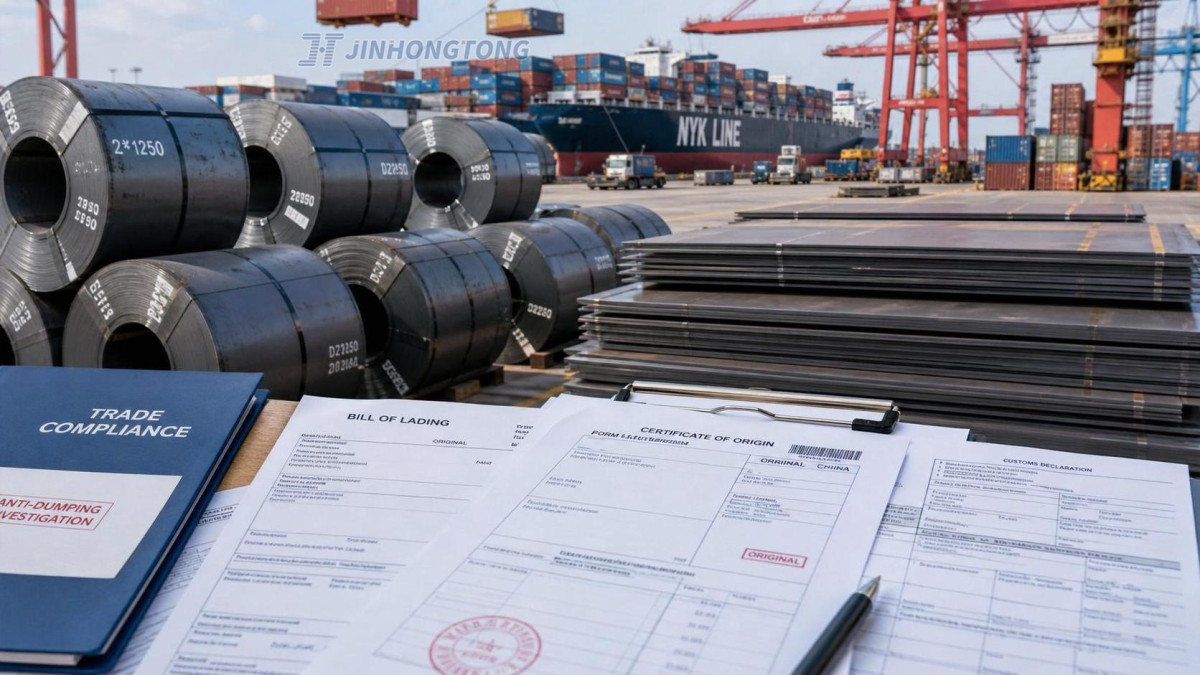
Analysis shows that the most immediate task is to review certificates of origin and pricing structure documents tied to affected hot-rolled steel transactions. This is a concrete response to the compliance threshold highlighted by the investigation itself.
Separate current facts from future tariff outcomes
What deserves closer attention is the difference between an active investigation and a final penalty result. At present, the confirmed fact is the start of a one-year anti-dumping process; whether high tariffs will actually be imposed remains conditional on the outcome of that process.
Reassess supplier mix and fallback options
The information provided specifically points to the need to evaluate alternative supply arrangements. In practical terms, companies should review whether their current supplier structure leaves them overly exposed to one trade route, one origin set, or one delivery schedule.
Prepare for contract and customer communication issues
Businesses with open orders or ongoing negotiations should also review how potential duty changes, customs delays, or documentation challenges could affect delivery commitments. This is especially relevant where fulfillment timing and landed cost assumptions were set before the investigation began.
How This News Is Best Interpreted at This Stage
Analysis shows that this development should not yet be treated as a confirmed tariff outcome, but it is more than a routine headline. It is more appropriate to understand this as a live trade remedy signal showing that compliance requirements for steel exports into Northeast Asia are becoming more demanding.
Observably, the key significance lies in the direction of risk rather than in a final measure already in force. The market still needs to watch how the investigation proceeds, but companies exposed to the covered trade flows already have a clear reason to tighten documentation review and supply planning.
What the Industry Should Take From This
This case matters because it links trade policy directly to day-to-day commercial execution. For the steel trade and related manufacturing chains, the immediate issue is not speculation about final duties, but whether firms can maintain document readiness, sourcing flexibility, and delivery control while the investigation is underway.
It is more appropriate to understand this news as both a short-term operational alert and a longer-term compliance signal. The final outcome remains uncertain, but the need for closer review of import compliance and procurement strategy is already clear.
Basis of This Article and What Still Needs Verification
This article is based on the user-provided news title, event date, and event summary. The information available for writing includes the launch date of the investigation, the covered origins, the one-year investigation period, the applicants named in the summary, and the stated risks related to tariffs, customs costs, contract performance, and supply chain planning.
For this type of industry development, relevant source categories usually include official government notices, company announcements, industry association releases, authoritative media reporting, and related trade or standards documentation. A specific official source link was not provided in the input, so further verification remains necessary as the case develops. Continued attention should focus on any formal updates to the investigation process, wording, scope, and implementation details.