

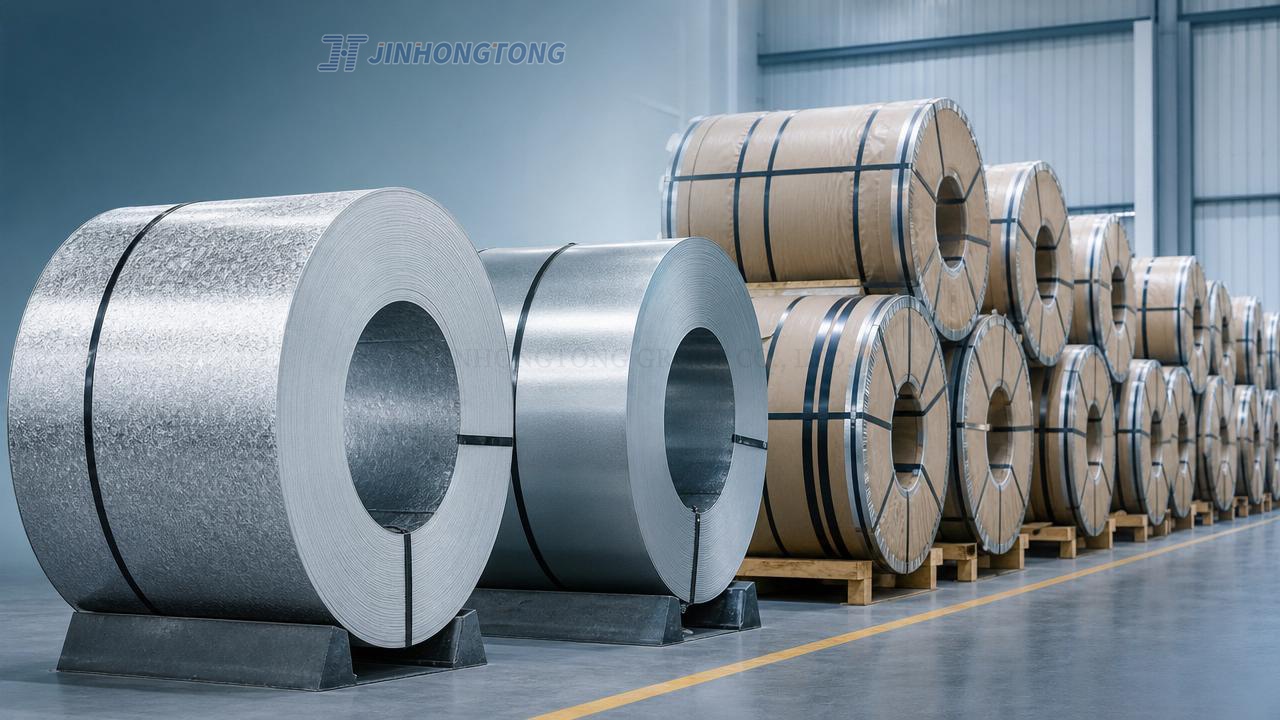
Hot Dip vs Cold Rolled Galvanized Coil: Buying Factors for Importers
Choosing between coating quality, surface finish, price stability, and delivery reliability can be challenging in steel sourcing.
In the hot dip vs cold rolled galvanized coil comparison, the right choice depends on end use, corrosion expectations, forming performance, and supplier consistency.
This guide helps international orders reduce sourcing risk, improve cost control, and match galvanized coil specifications with real processing conditions.
Why a Checklist Matters in Hot Dip vs Cold Rolled Galvanized Coil Decisions
Galvanized coil is not selected by price alone. Substrate grade, zinc coating, surface treatment, and logistics all affect landed value.
A checklist prevents unclear specifications, mismatched coating mass, surface claims, and disputes after arrival at the destination port.
The hot dip vs cold rolled galvanized coil choice becomes easier when every quotation is compared by technical and commercial evidence.
Core Buying Checklist for Galvanized Coil Orders
- Define the end application before asking for price, because roofing, ducting, appliance panels, and framing need different coating and surface priorities.
- Confirm whether the request means hot dipped galvanized coil or cold rolled base coil with galvanized coating, since wording often causes quotation errors.
- Specify the steel grade clearly, including yield strength, tensile strength, elongation, and bending requirements for later forming or profiling.
- Check zinc coating mass, such as Z80, Z120, Z180, or Z275, and match it with humidity, outdoor exposure, and service life.
- Review surface finish requirements, including regular spangle, minimized spangle, zero spangle, skin-passed finish, chromated, oiled, or AFP treatment.
- Ask for coil tolerance standards covering thickness, width, camber, edge condition, and coil inner diameter before confirming the purchase contract.
- Compare real landed cost, including base price, zinc price adjustment, packing, freight, insurance, port charges, and possible duty exposure.
- Verify mill test certificates, production photos, third-party inspection options, and traceability numbers for each galvanized coil shipment.
- Review delivery lead time by production schedule, vessel availability, transshipment risk, and expected customs documentation readiness.
- Confirm packaging for sea transport, including anti-rust paper, plastic film, steel sheet wrapping, edge protection, and secure coil eye direction.
Technical Differences Behind Hot Dip vs Cold Rolled Galvanized Coil
Hot dip galvanized coil is produced by passing steel strip through molten zinc after cleaning, annealing, and surface preparation.
The process creates a zinc layer with strong corrosion resistance, making it common for construction, roofing, HVAC, fencing, and structural profiles.
Cold rolled coil usually describes the substrate made by rolling hot rolled steel to tighter thickness and smoother surface quality.
In many inquiries, cold rolled galvanized coil means galvanized steel made from a cold rolled substrate with better dimensional accuracy.
Therefore, hot dip vs cold rolled galvanized coil is often not a direct process comparison. It is a comparison between coating route and substrate quality.
Coating Quality
Hot dip galvanized coil normally offers practical corrosion protection through zinc coating thickness and sacrificial protection.
Higher zinc coating adds durability but may affect surface smoothness, bending behavior, and total cost per metric ton.
Surface Finish
Cold rolled substrate supports smoother surface appearance, tighter flatness, and improved suitability for painted or visible products.
For exposed panels, appliance shells, or pre-painted steel feedstock, surface claims should be supported by samples or inspection records.
Forming and Fabrication
Deep drawing, roll forming, bending, and stamping require suitable mechanical properties, not only attractive coating data.
The hot dip vs cold rolled galvanized coil decision should include bend tests, elongation values, and actual forming radius requirements.
Comparison Table for Faster Evaluation
Application Scenarios and Buying Priorities
Roofing and Construction Profiles
For roofing sheets, wall cladding, purlins, and floor decking, corrosion resistance usually has higher priority than decorative surface smoothness.
In this scenario, hot dip vs cold rolled galvanized coil should be judged by coating mass, outdoor exposure, and local climate.
HVAC, Ducting, and Light Fabrication
Ducting and light fabricated components need balanced coating adhesion, moderate surface quality, and predictable bending behavior.
A cost-efficient zinc coating can perform well if storage, cutting, and installation conditions are properly controlled.
Appliance and Visible Metal Parts
Visible panels need stricter surface control, fewer scratches, consistent oiling, and stable flatness across the coil length.
Here, cold rolled galvanized coil with skin pass treatment may be preferable, especially before painting or lamination.
Pre-Painted Steel Feedstock
Pre-painted steel production requires stable zinc coating, clean surface, chemical treatment compatibility, and reliable coil tension history.
The hot dip vs cold rolled galvanized coil evaluation should include paint adhesion trials and surface cleanliness checks.
Commonly Ignored Risks in International Orders
Unclear Product Naming
Many disputes begin with unclear wording. “GI coil,” “HDG coil,” and “cold rolled galvanized coil” may be interpreted differently.
Use exact standards, steel grade, coating code, surface treatment, and application notes to avoid expensive misunderstandings.
Zinc Coating Not Matched to Environment
A low coating mass may be acceptable indoors but risky near coastal areas, chemical plants, or high-humidity storage yards.
When comparing hot dip vs cold rolled galvanized coil, corrosion environment should guide coating selection before price negotiation.
Surface Acceptance Not Defined
Small scratches, spangle variation, oil marks, and edge burrs may be acceptable for hidden parts but unacceptable for visible panels.
Define inspection criteria with photos, sample pieces, or agreed defect limits before mass production starts.
Ignoring Coil Handling Conditions
Galvanized coil can develop white rust when exposed to moisture, condensation, or poor ventilation during sea transport.
Packing method, container condition, desiccant use, and storage procedures are part of the real quality outcome.
Practical Execution Steps Before Placing an Order
- Prepare a specification sheet covering grade, thickness, width, coating, surface, coil weight, tolerance, packing, and destination port.
- Request quotations in the same format, so price differences can be linked to coating mass, substrate quality, and delivery terms.
- Ask for recent mill test certificates and confirm whether the supplier can provide third-party inspection before shipment.
- Check historical shipment performance, including documentation accuracy, production lead time, packing quality, and complaint handling.
- Approve samples when surface appearance or forming performance is critical for the final product.
- Include claim terms for weight shortage, coating deviation, severe rust, wrong grade, and visible transit damage.
Price and Supply Stability Factors
Galvanized coil pricing is affected by hot rolled or cold rolled substrate cost, zinc price, energy cost, exchange rate, and freight.
A very low offer may come from thinner zinc coating, downgraded surface, loose tolerance, mixed coils, or weak export packing.
For hot dip vs cold rolled galvanized coil, stable supply is often worth more than a small discount on the first order.
Consistent mills reduce processing waste, rejected coils, delayed projects, and emergency replacement purchases.
Final Checklist for Hot Dip vs Cold Rolled Galvanized Coil
- Choose hot dip galvanized coil when corrosion resistance, outdoor durability, and broad construction performance are the leading priorities.
- Choose cold rolled galvanized coil when surface smoothness, dimensional accuracy, and visible product quality matter more.
- Avoid comparing only FOB prices, because coating mass, packing, freight, and rejection risk change the real landed cost.
- Confirm every technical parameter in writing, especially zinc coating, steel grade, tolerance, passivation, oiling, and inspection method.
- Keep supplier evaluation tied to repeatability, not only one successful shipment or one attractive quotation.
Summary and Next Action
The hot dip vs cold rolled galvanized coil decision should begin with application needs, not with a price list.
Hot dip galvanized coil is often stronger for corrosion-focused construction and industrial uses.
Cold rolled galvanized coil is better suited when appearance, flatness, and tight tolerance support higher product value.
Before confirming an international order, build a written specification, compare equivalent quotations, inspect evidence, and lock packaging details.
A disciplined checklist makes hot dip vs cold rolled galvanized coil sourcing more predictable, cost-efficient, and suitable for long-term steel supply.