

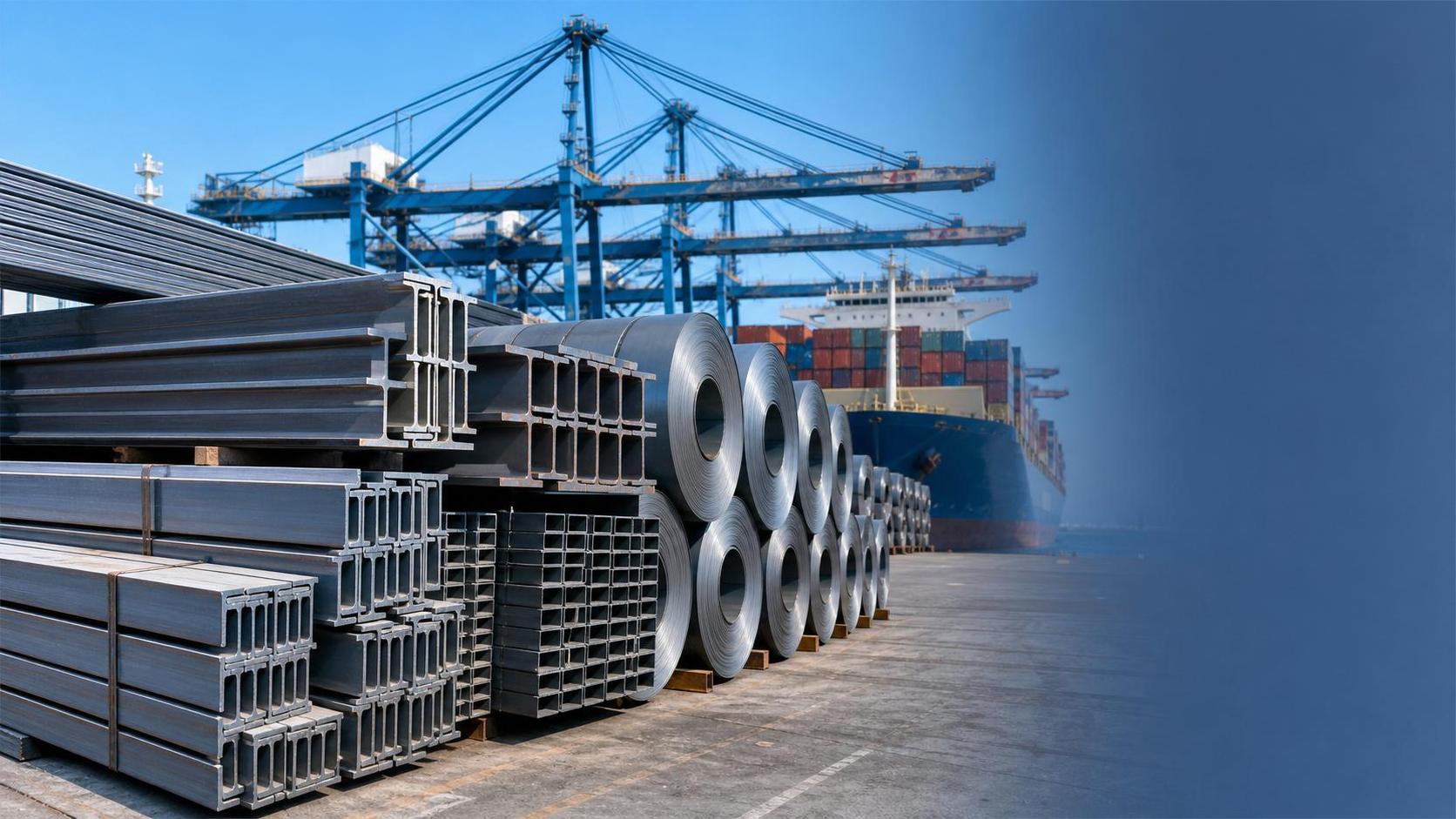
On July 14, 2026, the European Commission issued an official notice confirming that structural steel sections, including H-beams, I-beams and channels, as well as hot-rolled steel coil, have been added to the third-stage product scope of the Carbon Border Adjustment Mechanism (CBAM). From October 1, 2026, imports in these categories will face mandatory embedded carbon emissions reporting and the purchase of CBAM certificates. For steel exporters, EU importers and supply chain operators handling shipments into the European market, this matters because it turns carbon-related compliance from a reporting issue into a direct part of customs clearance and transaction cost control.
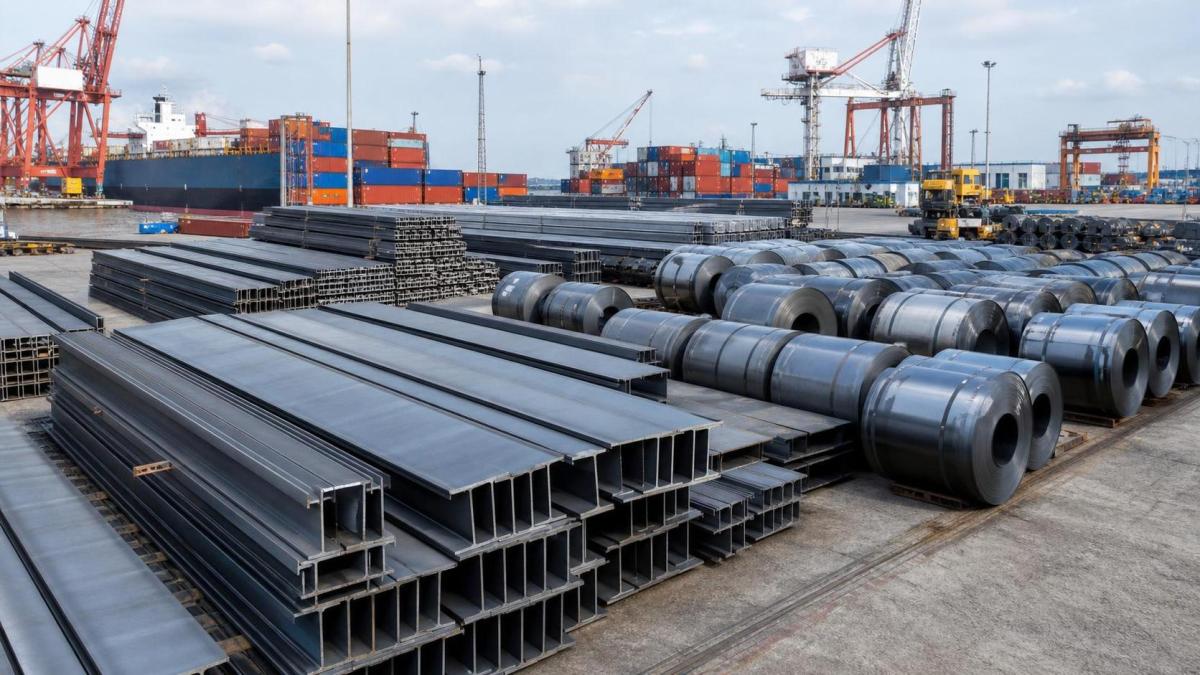
The Official Change Now Confirmed
According to the information provided, the European Commission released Commission Delegated Regulation (EU) 2026/XXXX on July 14, 2026. The notice specifies that structural profiles such as H-beams, I-beams and channel steel, together with hot-rolled steel coil, are included in the third-phase CBAM product list.
The same notice states that, starting on October 1, 2026, imports of these products will be subject to compulsory declaration of embedded carbon emissions data and payment through pre-purchased CBAM certificates. The change directly affects the compliance cost structure and customs procedures of Chinese steel exports shipped to the EU.
Where the Pressure Will Likely Appear First
Export transactions tied directly to the EU market
From an industry perspective, direct exporters are likely to feel the impact first because the newly covered product categories are now linked to mandatory carbon-related declarations and certificate obligations. The main effect is expected in shipment preparation, trade documentation, customer confirmation and customs-facing compliance coordination.
What deserves closer attention is whether existing export processes already capture the embedded emissions information needed for shipment-level declarations. Where that data flow is incomplete, operational friction may appear before goods reach customs clearance.
Import-side purchasing and distribution coordination
EU-side buyers, traders and distributors may also be affected because the new requirement connects product sourcing decisions with CBAM reporting and certificate purchasing. The impact is likely to appear in supplier communication, document review, delivery scheduling and landed-cost calculations.
Analysis shows that this is not only a pricing matter. It also affects how importers assess whether a supplier can support the reporting burden in a timely and usable format.
Supply chain service providers handling clearance and delivery
Logistics coordinators, customs support teams and other service providers may see changes in execution detail rather than product demand itself. Their exposure comes from the need to align shipment documents, reporting inputs and clearance timing once the October 1 requirement takes effect.
What deserves closer attention is the handoff between exporter, importer and service provider. If carbon-related information is missing or inconsistent, the operational risk may show up as clearance delays, additional back-and-forth or disputes over responsibility.
What Companies Should Focus On Now
Check whether product scope and shipment mix are exposed
Companies shipping steel products to the EU should first identify whether their export portfolio includes the listed structural sections or hot-rolled coil. This is a practical starting point because the official adjustment is product-specific, and the operational impact will depend on whether those categories are part of active contracts or near-term shipment plans.
Separate legal wording from daily execution
Analysis shows that the published rule and day-to-day implementation are related but not identical issues. Businesses should pay close attention to how the formal requirement for embedded emissions declarations and CBAM certificate purchasing translates into document preparation, internal approval steps and customer-side acceptance criteria.
This distinction matters because a rule can be clear at the policy level while still requiring process adjustment at the transaction level.
Prepare data, documents and customer communication together
What deserves closer attention is not only the carbon data itself, but also whether supporting materials can move consistently across sales, compliance, shipping and customs coordination. Companies may need to review how supplier information, shipment files and customer communications are organized before the October 1 start date.
For businesses already serving EU buyers, this is also a communication issue: customers may seek earlier confirmation on whether future shipments can meet the new declaration and certificate-related requirements.
Keep watching for further official clarification
Observably, this announcement establishes a concrete compliance trigger, but businesses should still monitor whether subsequent official wording, implementation guidance or procedural clarification affects filing practice, document standards or timing expectations. For companies with regular EU shipments, follow-up clarification may matter as much as the headline expansion itself.
Why This Looks Like More Than a Short-Term Adjustment
Analysis shows that this development is better understood as a concrete regulatory extension rather than a routine update. The significance lies in the fact that additional steel product categories are no longer outside the immediate CBAM payment framework once the October 1, 2026 deadline arrives.
At the same time, it is more appropriate to understand this as both an active compliance change and an ongoing policy signal. The effective date and covered products are clear in the provided information, but the full business impact will still depend on how market participants absorb the new reporting and certificate obligations in actual trade flows.
How the Industry May Need to Read This Development
In practical terms, this update should be read as an immediate compliance issue for affected steel shipments into the EU and as a longer-term signal that carbon-related trade administration is moving deeper into steel transaction management. The most rational conclusion at this stage is not to overstate market outcomes, but to recognize that product coverage, reporting readiness and customs execution are now more tightly connected for the newly listed categories.
Basis of This Article
This article is based on the user-provided news title, event date and event summary concerning the July 14, 2026 European Commission notice on adding structural steel sections and hot-rolled coil to the CBAM third-stage coverage list, with mandatory embedded emissions reporting and CBAM certificate purchasing from October 1, 2026.
For this type of industry update, commonly relevant source categories may include official government or regulatory notices, company disclosures, industry association updates, authoritative media reporting and standards-related documents. The specific official source link was not provided in the input, so continued verification remains necessary. Further attention should be given to any later official clarification on implementation wording, filing procedures and operational requirements affecting shipments into the EU.