

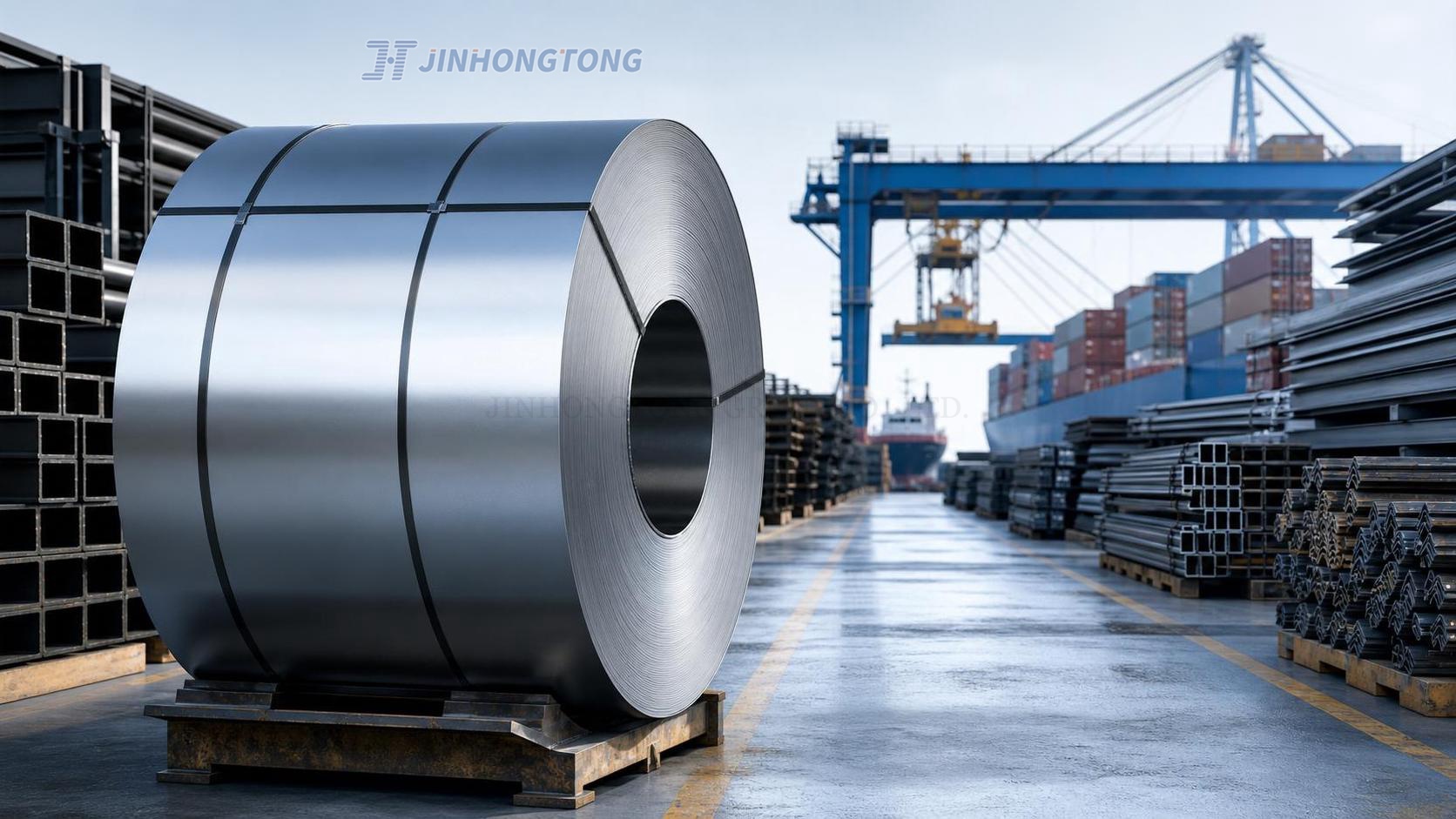
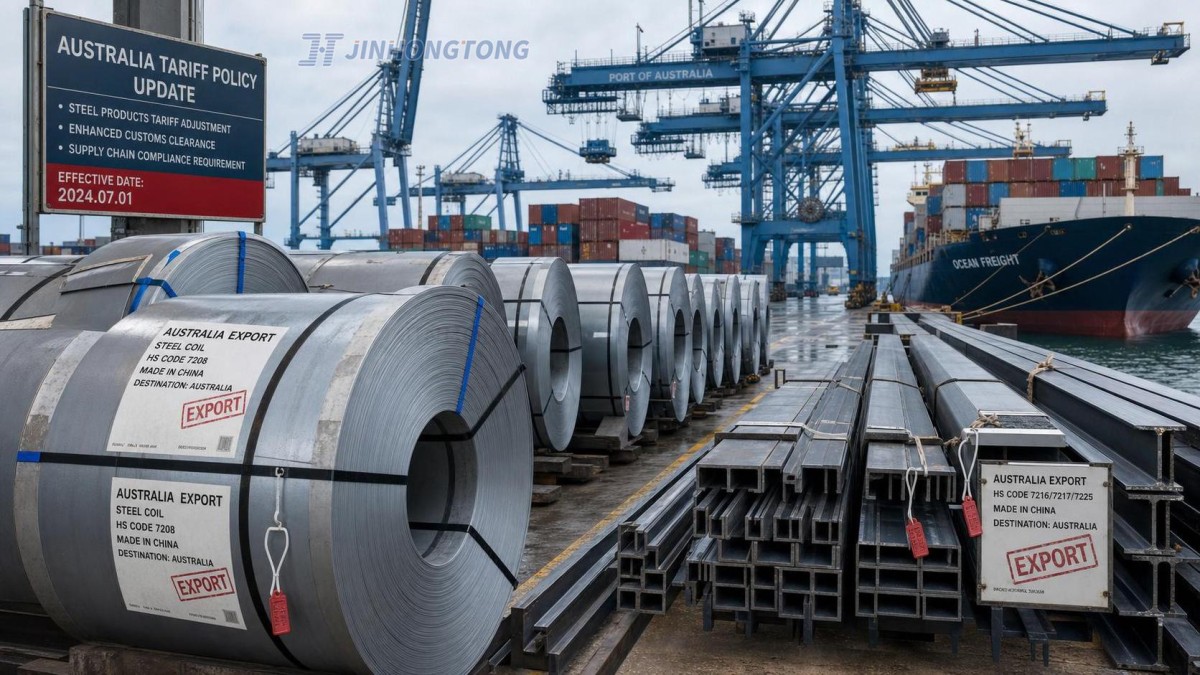
On May 4, 2026, Australia formally imposed combined anti-dumping and countervailing duties of up to 82.4% on hot-rolled coil originating in China, with retroactive collection reaching back to December 23, 2025. For steel exporters, importers, processors, and supply chain service providers, the significance lies not only in the tariff level itself but also in the retrospective effect and the broad product coverage, which immediately raises questions around landed cost, pricing validity, customs clearance, and delivery planning.
What the measure now confirms
The confirmed facts are clear. Australia has applied anti-dumping and anti-subsidy measures to Chinese hot-rolled coil, and the combined rate can reach as high as 82.4%. The collection is not limited to future shipments: it also applies retrospectively to goods covered by the case that were exported to Australia from December 23, 2025. The measure spans 17 customs codes, indicating broad coverage across product specifications rather than a narrow restriction on only a small part of the category.
Based on the information provided, this directly affects the export feasibility of Chinese suppliers shipping hot-rolled coil to Australia. It also changes the basis for quotation, contract execution, and compliance-related delivery arrangements for transactions involving the Australian market.
Where pressure is likely to appear first
Export transactions face an immediate pricing test
From an industry perspective, direct trading companies are likely to feel the impact first because the tariff burden changes whether existing price structures remain workable. The retrospective collection element is especially relevant for shipments already exported within the stated period, as it can alter the real cost outcome after goods are already in the trade flow.
Import-side planning becomes more complex
For overseas importers and procurement teams, the main pressure point is customs clearance cost and sourcing continuity. Analysis shows that buyers linked to the affected product range now need to reassess total import cost, not just nominal purchase price, while also reviewing whether substitute supply routes are needed to protect continuity of supply.
Processing and downstream users may face delivery adjustments
For manufacturers, processors, and downstream users that depend on hot-rolled coil inputs tied to Australian import channels, the issue is less about the policy text itself and more about execution risk. What deserves closer attention is whether affected shipments, revised quotations, or replacement sourcing plans create delays or changes in delivery expectations.
Logistics and compliance service providers enter a higher-risk stage
Supply chain service providers, including parties involved in customs, documentation, and shipment coordination, may face a more demanding operating environment. The broad code coverage and retrospective effect mean that document review, shipment timing, and compliance communication become more sensitive in active transactions.
What companies should review now
Check which shipments fall into the retroactive window
Businesses connected to exports to Australia should first identify whether any covered goods were exported on or after December 23, 2025. This is a practical starting point because the retrospective collection feature can change the cost and settlement position of cargo already arranged or already moving through the chain.
Recalculate quotations and contract assumptions
Companies should distinguish between earlier commercial assumptions and the current tariff reality. Analysis shows that price offers, margin expectations, and delivery commitments linked to the Australian market may need to be reviewed against the newly confirmed duty level and product scope.
Re-examine product scope and documentation discipline
Because the measure covers 17 customs codes, businesses should pay close attention to product classification, shipment records, and supporting trade documents. This is not only a customs issue but also a contract execution issue where classification and documentation can affect timing, cost recognition, and communication with counterparties.
Prepare sourcing and customer communication contingencies
For importers and downstream buyers, it is prudent to compare immediate clearance cost exposure with alternative procurement options. Observably, the business response is not limited to finding replacement supply; it also includes updating customers, internal planning teams, and logistics partners on possible changes in delivery schedule or landed cost.
Why this matters beyond a single tariff announcement
As an editorial observation, this development should be understood first as a concrete operating change rather than only a policy headline. The tariff level is high, the scope is broad, and the retrospective collection feature creates real-time consequences for transactions already connected to the Australian market.
It is more appropriate to understand this as both an immediate business disruption signal and a continuing trade-risk indicator. That said, it should not be treated as a basis for broad claims beyond the facts provided here. The more reasonable reading is that companies exposed to this route now need closer monitoring of execution details, cost pass-through, and supply chain resilience.
How the market may need to frame this development
The industry significance of this measure lies in its combination of duty intensity, broad customs coverage, and backward-looking application. For affected market participants, the issue is not only whether sales to Australia remain viable, but also how quickly pricing, compliance, and delivery arrangements can be adjusted to the new conditions.
At this stage, the most balanced interpretation is that the measure represents an immediate and material trade constraint for the covered product flow, while also remaining a development that warrants continued observation in terms of rule interpretation, transaction handling, and sourcing response.
Basis of this article and what still needs verification
This article is based on the user-provided news title, event date, and event summary. The summary states that Australia imposed anti-dumping and countervailing duties on Chinese hot-rolled coil on May 4, 2026, with a combined rate of up to 82.4%, retrospective collection from December 23, 2025, and coverage across 17 customs codes.
For this type of industry update, commonly relevant source categories may include official notices, company disclosures, industry association releases, authoritative media reporting, and standard or customs-related documents. No specific official source link was provided in the input, so the exact official text and any subsequent interpretive updates still need to be continuously verified. Follow-up attention should remain on any further official wording, scope clarification, and implementation details that affect customs clearance, documentation, and transaction execution.